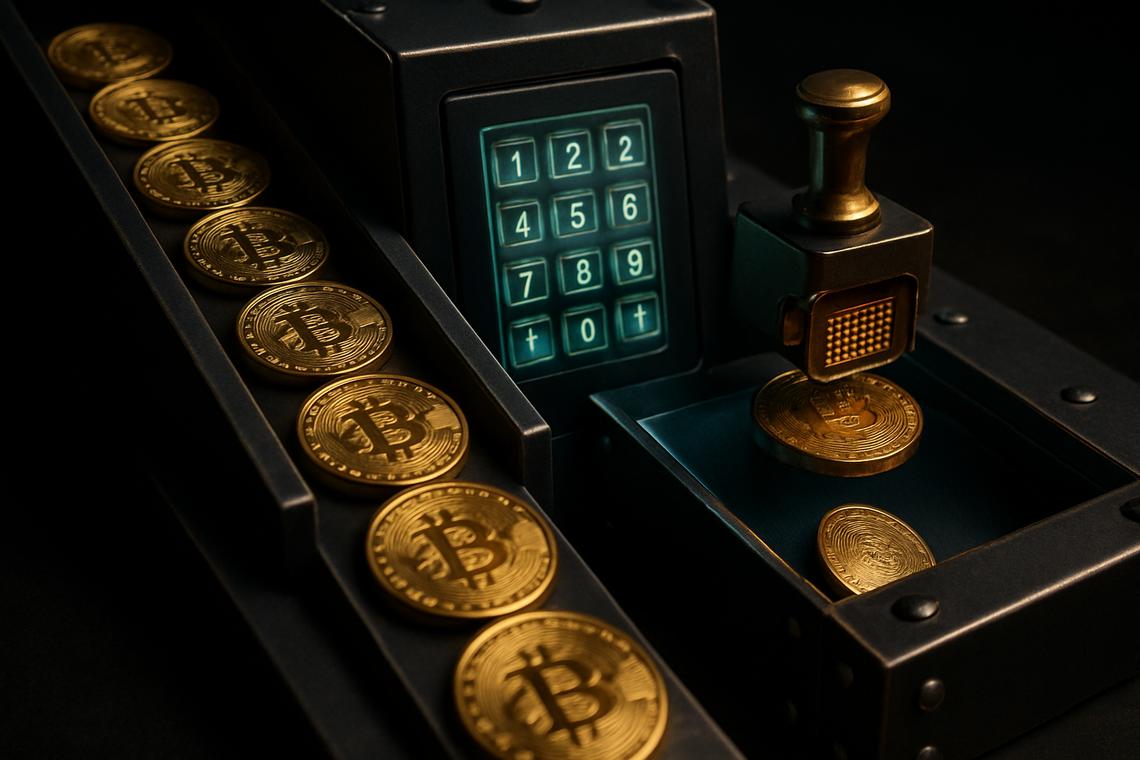
As Pi Network prepares for wider mainnet use, the project is rolling out a targeted pi network 2fa mandate to harden user protections before irreversible token transfers.
Summary
Mandatory 2FA added to the Mainnet Checklist
The project has introduced a key Pi Network security change for its users, known as Pioneers. From now on, two-factor authentication (2FA) is required to complete both first and second mainnet migrations, as part of the Mainnet Checklist.
Step 3 of the checklist now obliges users to configure 2FA on their Pi Wallet before any migration can proceed. Moreover, the process may require adding a trusted email address, which serves as a backup for verification and account recovery.
Once enabled, 2FA introduces an extra authentication step for sensitive actions. That said, the goal is simple: ensure only the account owner can confirm transactions and security changes, especially once real Pi tokens are prepared for transfer to the blockchain.
The team stressed that transfers on the mainnet are irreversible and immutable. Because there is no way to undo a confirmed transaction, the network is tightening protections before mobile-mined balances reach the blockchain.
How the new 2FA requirement works for migrations
To complete the first migration, Pioneers must finish every step in the mainnet migration checklist, including 2FA activation. The same applies to second migrations, which move remaining balances after the initial transfer.
According to a recent communication from the team, Pioneers must configure pi wallet two factor security through Step 3 before any real Pi can move. However, once that process is finished, future approvals become quicker while still benefiting from the extra security layer.
In practice, this means no mobile-mined Pi will reach the mainnet unless 2FA is active on the associated wallet. As a result, the network is embedding security directly into the migration pipeline rather than leaving it as an optional feature.
Security update follows rise in scam attempts
The tougher security stance coincides with a wave of scams targeting the Pi Network community. Many attackers have been using fake websites and messaging platforms to imitate official services and mislead users.
Some of these campaigns include fake staking site scams and fraudulent token swap offers. Moreover, several victims reported that the scam pages closely copied official branding, interfaces and language, making the traps harder to detect.
One widely shared warning from the PiNetwork DEX community highlighted an attractive but deceptive website linked through Telegram. However, behind the polished design, the features and numbers displayed were fabricated, with the real objective being to lure users into sharing wallet credentials.
In many cases, attackers try to persuade Pioneers to enter their wallet passphrase theft becomes straightforward once those words are revealed. After that, criminals can drain funds rapidly, with no recourse due to the immutable nature of blockchain transactions.
The community has also flagged suspicious QR codes and external payment requests that bypass official channels. Any operation that routes Pi through unofficial services now carries a high risk, which makes the strengthened pi network 2fa policy more than just a routine technical enhancement.
Ongoing network development and protocol upgrades
Alongside the security push, the broader Pi ecosystem continues to develop its core infrastructure. Node operators have recently upgraded to Protocol 21.2, a new version designed to improve performance and scalability across the network.
This node protocol upgrade supports higher throughput and prepares the system for anticipated future features. Moreover, it signals that the team is advancing both the technical and security foundations in parallel rather than treating them as separate tracks.
Mainnet migrations are also moving ahead in phases. First migrations remain the priority, ensuring that early balances can reach the blockchain under the new protections. Second migrations are being rolled out gradually, reflecting a measured approach to onboarding remaining mobile-mined Pi.
What Pioneers should do now
For everyday users, the next steps are straightforward. First, Pioneers should complete the entire Mainnet Checklist, confirming each requirement is met. Then, they must enable 2fa wallet protection before submitting any migration request to move tokens on-chain.
In addition, users should stay cautious online and avoid unknown links, unofficial apps or unverified websites. That said, they should never share wallet phrases or private keys, regardless of how convincing a message or website may appear.
Relying on official announcements and channels from the Pi Network team remains essential to avoid misinformation. As the ecosystem expands beyond 2024, security will increasingly define user trust. With the current pi network security update, the project is taking a firmer stance on protecting assets before wider mainnet adoption.
In summary, mandatory 2FA, stronger account verification, and ongoing protocol upgrades together show a coordinated effort: make Pi migrations safer while the network continues its step-by-step march toward a fully open mainnet.