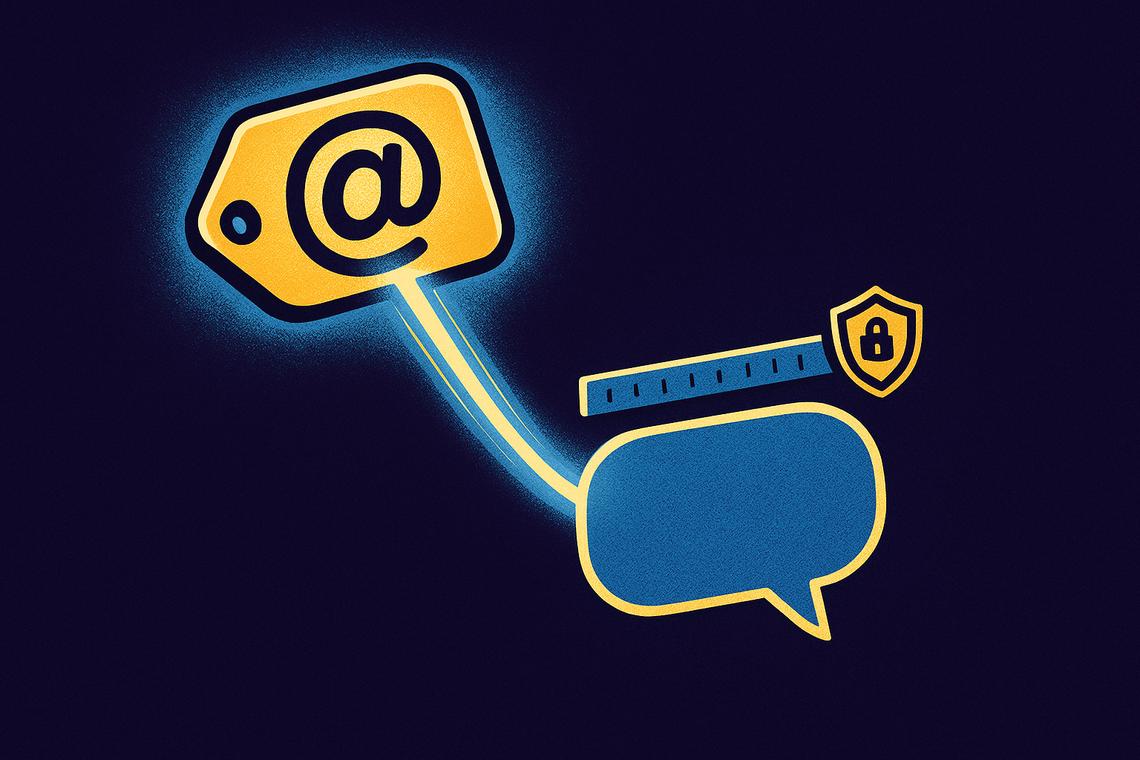
Something quietly significant happened inside Slack on June 23, 2026. Anthropic launched Claude Tag — an AI agent embedded directly into Salesforce’s Slack app — and the move is less about a new chatbot feature than it is about redefining what workplace collaboration looks like when an AI is always in the room.
Summary
Key takeaways
- Anthropic launched Claude Tag in Salesforce’s Slack on June 23, 2026, as a persistent AI teammate available via @Claude in any thread.
- The agent reads conversations, breaks down tasks into stages, provides proactive updates, and retains context over time — including learning from other channels it’s granted access to.
- Claude Tag is currently in beta for Claude Enterprise and Claude Team customers, with expansion to other platforms planned in the coming weeks.
- Administrators can tightly control which data, tools, and channels each Claude identity can access.
- Anthropic’s valuation has risen to $965 billion, surpassing OpenAI, and the company has filed confidentially for an IPO.
Anthropic Launches Claude Tag as a Persistent Slack Teammate
Unlike earlier AI integrations that answered when spoken to, Claude Tag is designed to be always present. Users summon it by typing @Claude in a Slack thread, but that’s only half the story. The agent also operates in an ambient mode — proactively jumping into conversations, flagging relevant updates from across an organization, and following up on tasks or threads that have gone quiet, without being explicitly asked.
That’s a meaningful shift. Previous Anthropic integrations in Slack let users DM @Claude or tag it in channels for on-demand help. Claude Tag goes further by introducing persistent context and memory: as the agent follows along with a channel over time, it learns more about the work happening there. If granted permission, it can also pull in information from other channels across the organization.
Anthropic describes the experience as working with “a real colleague — one that can produce work in public view, with far greater context and understanding than before.”
Features and Capabilities
When assigned a specific task, Claude Tag breaks it down into stages and works through them using whatever tools it has been given access to, posting updates back into the Slack thread. It can monitor activity, send alerts about posts that may affect a user’s day, drop comments into conversations, and even fix code issues — all within the familiar Slack interface.
Crucially, everyone in a given Slack channel shares a single Claude identity. That means any team member can see what Claude has been working on and pick up the conversation from where a colleague left off. It’s a genuinely different model from the private, one-on-one AI assistant interactions most users are accustomed to.
Cat Wu, Anthropic’s head of product for Claude Code, captured why the format change matters: “A lot of the capabilities did exist, but actually the form factor of being able to tag it the same way that you would a coworker is really powerful.”
Beta Access and Who Gets It First
Claude Tag is currently available in research preview — in beta for Claude Enterprise and Claude Team customers through Slack. Anthropic has said it plans to bring the capability to other platforms in the coming weeks, though no specific timeline or list of platforms has been disclosed.
Enterprise Integration and Data Controls
Enterprise adoption of AI tools hinges heavily on trust, and Anthropic has built a governance layer into Claude Tag from the start. System administrators specify which tools, information sources, and channels each Claude identity can access. A Claude set up to assist a legal team, for example, cannot bleed its memories or context into the engineering channel.
This scoping mechanism is more than a privacy feature — it’s a design philosophy. Each Claude identity stays contained to the channels administrators define, which means enterprises can deploy the agent across departments without losing control over information boundaries.
Making AI Collaboration Visible
Rob Seaman, Slack’s general manager, framed the launch with a concept that gets at why this matters for enterprise teams: “making AI multiplayer. Instead of a private back-and-forth, Claude Tag shows up in the open.”
That openness is strategically important. When AI work happens in a shared channel rather than in private conversations, it becomes auditable, collaborative, and easier to integrate into existing workflows. A team can collectively redirect, correct, or build on what Claude has done — which is a fundamentally different relationship with AI than the solo-user assistant model.
It also positions Anthropic in a crowded race for enterprise context. Microsoft channels organizational knowledge through Copilot and Work IQ. Snowflake and Databricks are building back-end platforms that agents can draw on. Glean is constructing an intelligence layer that sits between models and enterprise data. Claude Tag’s answer to all of this is to live directly inside the conversation — learning from the messages themselves.
Anthropic’s Market Position and the Stakes Behind This Launch
This product launch doesn’t exist in isolation. Anthropic’s valuation has climbed to $965 billion, surpassing OpenAI, driven by strong enterprise demand for its AI tools. Earlier in June, the company filed confidentially for an initial public offering — a significant milestone that raises the stakes for every product decision the company makes.
In that context, Claude Tag is not just a feature update. It’s a statement about where Anthropic sees the frontier of enterprise AI adoption: not in standalone productivity tools, but embedded inside the platforms where work already happens. Getting Claude into Slack threads — where millions of professional conversations take place daily — is a distribution play as much as a product one.
The competitive pressure this creates is real. OpenAI has its own enterprise integrations, and Microsoft’s deep integration with Teams gives Copilot a structural advantage in certain enterprise environments. Anthropic’s bet is that the quality of Claude’s contextual understanding, combined with the openness and flexibility of the Slack platform, can carve out a durable position in the market before the IPO window opens.
Whether the ambient, always-learning AI teammate model resonates with enterprise buyers — or raises concerns about what it means to have an AI reading every message in a channel — may be the defining question for Claude Tag’s next phase.
FAQ
What is Claude Tag and how does it work in Slack?
Claude Tag is an AI agent launched by Anthropic inside Salesforce’s Slack app. Users can summon it by typing @Claude in any thread, where it reads conversations, breaks down tasks into stages, and provides proactive updates. It also operates in an ambient mode, flagging relevant information and following up on forgotten threads without being asked. Importantly, it retains context over time and can learn from other channels it is granted permission to access.
Who can access Claude Tag currently?
Claude Tag is currently available in beta — described as a research preview — for Claude Enterprise and Claude Team customers through Slack.
Can administrators control Claude Tag’s access to Slack data?
Yes. Anthropic said administrators can tightly control the data, tools, and channels that each Claude identity can access. Each Claude identity stays scoped to the channels administrators define, preventing information from one department bleeding into another.
What are Anthropic’s plans for Claude Tag beyond Slack?
Anthropic has said it plans to expand Claude Tag to other platforms in the coming weeks, though no specific platforms or dates have been announced.
Article produced with the assistance of artificial intelligence and reviewed by the editorial team.