The architect of Stripe’s global stablecoin card program has quietly exited the building — and the timing says a lot about where this technology is heading. Connor Fitzgerald, who served as head of stablecoin partnerships and helped turn the Stripe Bridge stablecoin infrastructure from a blank slate into a program running across more than 100 markets, announced his departure on X, describing his final week at both Stripe and its stablecoin subsidiary Bridge.
Summary
Key takeaways
- Connor Fitzgerald stepped down as Stripe’s head of stablecoin partnerships after building the global stablecoin card program from zero to over 100 markets.
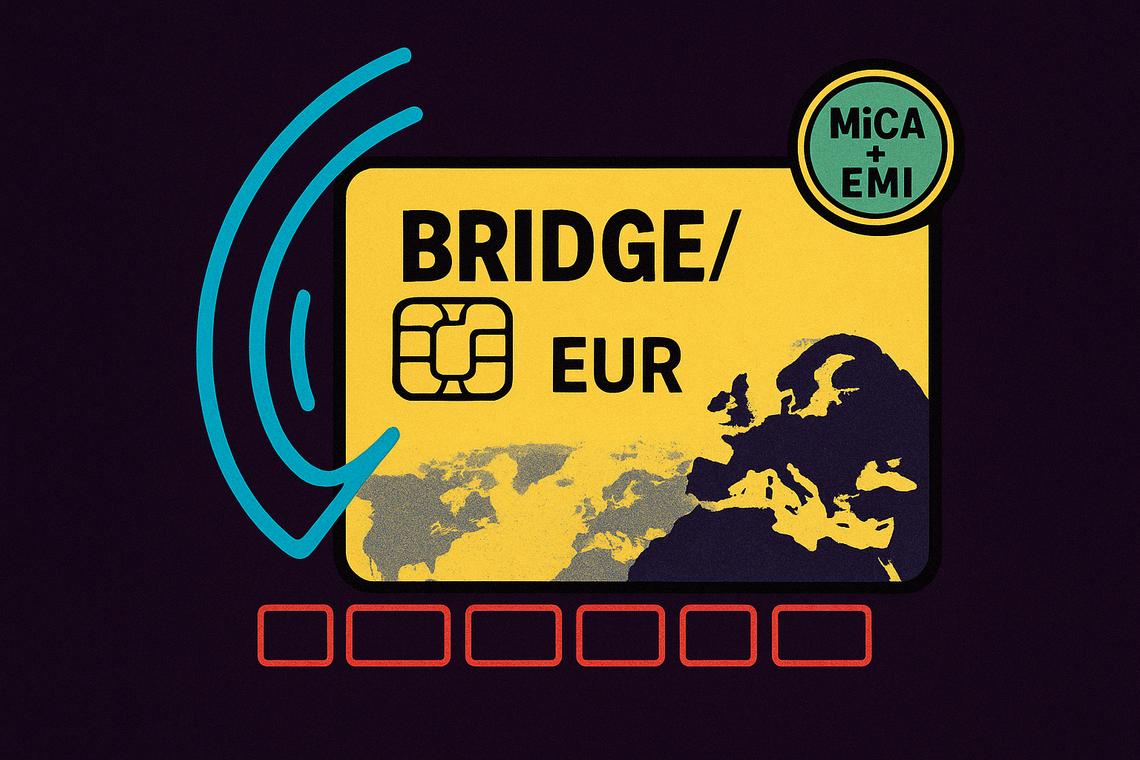
- Bridge secured MiCA crypto-asset service provider authorization and an Electronic Money Institution license in Luxembourg, enabling regulated services across all 27 EU member states.
- Visa extended its partnership with Stripe-owned Bridge to launch stablecoin-backed card programs in more than 100 countries by the end of 2026.
- Stripe and Advent International submitted a roughly $53 billion bid to acquire PayPal, owner of the PYUSD stablecoin issued by Paxos.
- PayPal’s board viewed the $60.50-per-share offer as undervaluing the company, with negotiations reportedly still active.
Leadership Change in Stripe’s Stablecoin Program
Fitzgerald’s departure marks the end of a formative chapter for Stripe’s bet on blockchain-based payments. He joined Bridge just one month after Stripe completed its acquisition of the stablecoin platform — at a moment when, as he put it, no company had yet built a stablecoin card program backed by a true sponsor bank. That gap became his mandate.
The early work was anything but straightforward. Building sponsor bank partnerships from scratch, navigating regulatory requirements market by market, and laying the card network relationships needed for global issuance took significant groundwork before a single card could go live internationally. Fitzgerald described helping build the underlying regulatory and network infrastructure that made the eventual scale possible.
Over roughly a year, the program grew from nothing to operations spanning more than 100 markets, including the first stablecoin settlement flow launched in the United States. He also cited working alongside what he called some of the best people in fintech as a defining part of the experience.
Looking ahead, Fitzgerald signaled that his next move will stay firmly within blockchain-based financial infrastructure. He said his time working with dozens of stablecoin companies led him to a clear conclusion: the next generation of global banking will be built natively onchain. He did not disclose specifics but indicated more details would follow soon.
Global Reach and Operational Growth
The scale Stripe has reached through its Bridge stablecoin infrastructure is worth pausing on. Stripe has combined Bridge’s blockchain payment rails with its own global payments network to support cross-border settlement, stablecoin payments, and card issuance for businesses and developers worldwide. The result is a payments stack that spans conventional card networks and crypto infrastructure simultaneously.
This kind of hybrid architecture matters because it removes one of the biggest barriers to stablecoin adoption at scale: the need to choose between crypto-native rails and established financial infrastructure. By layering them together, Stripe positions itself to serve both fintech companies building new products and established businesses looking to reduce friction in cross-border transactions.
Bridge’s Regulatory Achievements in Europe
MiCA Authorization and Electronic Money Institution License
Bridge’s regulatory progress in Europe represents one of the most significant structural developments in the stablecoin space this year. Bridge received both a Markets in Crypto-Assets (MiCA) crypto-asset service provider authorization and an Electronic Money Institution license in Luxembourg, giving it a regulatory foundation that most competitors are still working toward.
What a Single EU Framework Actually Unlocks
The practical implication is substantial: these licenses allow Bridge to provide regulated services across all 27 European Union member states under a single regulatory framework. That eliminates the need to negotiate separate banking relationships or regulatory approvals country by country across Europe — a process that has historically slowed fintech expansion across the continent.
Euro-Backed Stablecoins and Virtual IBANs
With the licenses in place, businesses can now issue custom euro-backed stablecoins, create named virtual IBANs, and offer euro accounts throughout the EU through a single connection to Bridge’s infrastructure. Enterprises can also use stablecoins to move funds between subsidiaries, bypassing the correspondent banking networks that traditionally handle that flow. For fintech companies in particular, the ability to plug into cross-border euro accounts through one integration — rather than building market-by-market relationships — meaningfully lowers the cost and complexity of European expansion.
Strategic Partnerships and Future Expansion Plans
Visa Partnership Expansion for Stablecoin-Backed Cards
Visa extended its partnership with Stripe-owned Bridge in March to launch stablecoin-backed Visa card programs in more than 100 countries by the end of 2026. That announcement reinforced the direction Fitzgerald had been helping build: a stablecoin card infrastructure capable of operating at the same geographic scale as traditional card networks, rather than functioning as a niche product in a handful of markets.
The Visa partnership is strategically significant beyond its headline number. It anchors Bridge’s card issuance capability to one of the world’s two dominant card networks, lending credibility and distribution reach to what is still a relatively young product category. For wallet providers and fintech platforms looking to issue cards backed by stablecoin balances, it removes a key question about network acceptance.
Stripe’s Acquisition Bid for PayPal and What It Means for Stablecoins
The most consequential development in Stripe’s stablecoin strategy may still be unresolved. Stripe partnered with private equity firm Advent International and submitted a roughly $53 billion proposal to acquire PayPal, according to Reuters. PayPal’s board concluded the $60.50-per-share offer undervalued the company and weighed financing certainty, regulatory hurdles, and execution risks before deciding how to proceed. Reuters reported that discussions remained active despite the board’s reservations.
The strategic logic is clear: PayPal would bring consumer scale that Stripe cannot build from scratch. PayPal’s PYUSD stablecoin, issued by Paxos, carries a $2.7 billion market cap with Solana as its primary payment network. Combined with Stripe’s 4 million merchants and the Bridge infrastructure already operating in 100-plus markets, a merged entity would control an end-to-end stablecoin payment stack spanning issuance, merchant acceptance, and card distribution — a combination without obvious parallel in payments today.
Whether or not the acquisition closes, the bid itself signals how seriously Stripe views stablecoin distribution as a competitive variable. Bridge’s regulatory wins in Europe, the Visa expansion, and now a potential PayPal combination are not isolated moves — they form a coherent push to make Stripe the default infrastructure layer for stablecoin payments globally. Fitzgerald’s exit comes just as those pieces are beginning to lock into place, leaving a program he helped architect at what may be its most consequential inflection point yet.
FAQ
Who is Connor Fitzgerald and what was his role at Stripe?
Connor Fitzgerald was head of stablecoin partnerships at Stripe and helped build its global stablecoin card program from launch to operations across more than 100 markets. He joined Bridge one month after Stripe’s acquisition of the platform and focused on establishing sponsor bank partnerships, regulatory infrastructure, and card network relationships needed for international expansion.
What regulatory licenses has Bridge obtained to expand services in the EU?
Bridge received a Markets in Crypto-Assets (MiCA) crypto-asset service provider authorization and an Electronic Money Institution license in Luxembourg. Together, these licenses enable Bridge to provide regulated services across all 27 EU member states under a single framework, allowing euro-backed stablecoin issuance and virtual IBAN creation without separate banking relationships in each country.
How is Stripe expanding its global stablecoin card program?
Stripe, through Bridge, has combined blockchain payments infrastructure with its global payments network. It partnered with Visa to launch stablecoin-backed Visa card programs in more than 100 countries by the end of 2026, building on regulatory approvals in Europe and existing card network relationships established during the program’s early development.
What strategic acquisition is Stripe pursuing related to stablecoin infrastructure?
Stripe partnered with Advent International to submit a roughly $53 billion proposal to acquire PayPal, which owns the PYUSD stablecoin issued by Paxos. PayPal’s board viewed the offer as undervaluing the company, but negotiations were reported to be ongoing as of late July 2026.
Article produced with the assistance of artificial intelligence and reviewed by the editorial team.