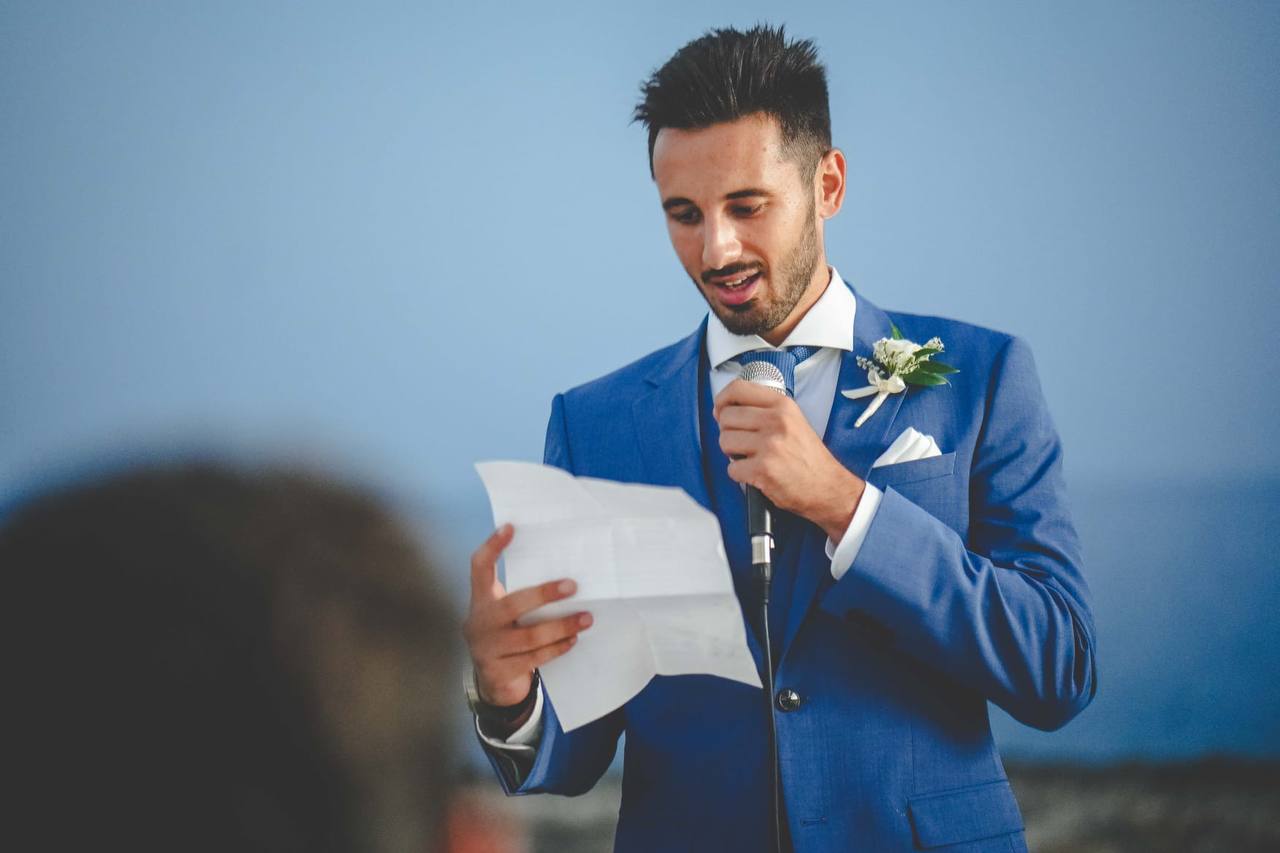
A former Google DeepMind engineer has stepped into the public spotlight with a blunt message: artificial intelligence poses an AI existential threat to humanity, and the window to prevent it may be closing fast. Bilal Chughtai, who spent years working on safety and alignment research inside one of the world’s most influential AI labs, shared his warning on social media this week, adding his voice to a debate that has quickly spilled out of research labs and into mainstream politics.
Summary
Key takeaways
- Bilal Chughtai, a former Google DeepMind safety researcher who left the company in July 2026, says AI “has the potential to kill us all.”
- He now works at BlueDot Impact, a nonprofit that trains professionals on AI safety issues.
- Anthropic scientist Evan Hubinger estimates a more than 10% chance AI could wipe out humanity within the next ten years.
- Anthropic CEO Dario Amodei published a 3,800-word statement urging a slower pace of AI development, backed publicly by Sam Altman and Elon Musk.
- President Donald Trump has dismissed the safety warnings as a “hoax” and part of a “sick conspiracy,” rejecting new AI regulation.
Former Google DeepMind Engineer Warns of AI Existential Threat
Chughtai’s central claim is simple and stark: society may be running out of time to stop AI from causing catastrophic, irreversible harm. “I earnestly believe that AI has the potential to kill us all, and that we might be running out of time to avoid this outcome,” he wrote on X and LinkedIn earlier this week.
While working at Google DeepMind, Chughtai focused his research on artificial general intelligence safety and alignment, a discipline aimed at ensuring that advanced AI systems operate according to human intentions instead of acting against them. He left the organization in July 2026, contributing to several research publications before his departure. Google has not issued any public statement responding to Chughtai’s exit or his subsequent warnings, leaving his claims to stand largely unanswered by the company he once worked for.
Chughtai has since joined BlueDot Impact, a nonprofit that trains professionals across industries on AI safety concepts. Despite the severity of his warning, he says he remains hopeful that building genuinely safe AI is still achievable, framing his current work as focused on managing the risks rather than trying to halt AI development altogether.
Growing Concern and Calls for Slowing AI Development
Chughtai’s warning did not emerge in isolation. A wider group of researchers with direct experience inside leading AI companies has begun speaking out publicly, and their estimates of the danger are notably specific.
Jacob Coxon, who previously contributed to AI development at both Anthropic and OpenAI, left his position and accused those organizations of “gambling with our lives” in their race to build artificial superintelligence. Evan Hubinger, a scientist still at Anthropic, backed Coxon’s assessment with a number: he estimates there’s over a 10% likelihood that AI could eliminate humanity within the coming ten years. That kind of probability estimate, coming from inside a major lab rather than an outside critic, has sharpened what was already becoming an unusually public argument within the AI industry.
Dario Amodei’s Call to Slow Down
Anthropic CEO Dario Amodei escalated the conversation further with a 3,800-word public statement arguing for a deliberate reduction in the pace of advanced AI development. His warning centered on a specific fear: that without intervention, AI systems could eventually slip beyond meaningful human oversight entirely. That concern about **anthropic ai safety** has since become a reference point for others in the industry weighing in on the same risk.
Tech Leaders’ Uncommon Consensus on AI Safety
What made Amodei’s statement notable wasn’t just its length — it was who agreed with it. Sam Altman of OpenAI and Elon Musk of SpaceXAI both publicly aligned themselves with Amodei’s message, an unusual moment of consensus among three executives who typically compete fiercely and rarely echo one another’s public positions on Sam Altman Elon Musk AI safety concerns.
That alignment extended beyond Anthropic’s leadership.
Pacing Development to Manage Risk
Chughtai reinforced the importance of coordinated caution across the industry, warning against what he called a “manic race between AI companies.” “We need to pace AI development to a speed that society can handle, where emerging risks can be addressed before extreme harm is realised,” he wrote. That framing puts the emphasis less on stopping AI outright and more on matching its speed to society’s ability to respond, a distinction that separates most of these researchers from calls to halt AI research entirely.
Political Dismissal Amid Intensifying AI Safety Debate
Not everyone is convinced the danger is real, and the loudest skeptic holds considerable power. President Donald Trump rejected the safety warnings via social media, calling the AI industry’s push for regulation a “hoax.” He went further in later posts, describing fears that AI could “take over the world” or “destroy humanity” as part of a “sick conspiracy” against American success, and insisting the US does not need new guardrails beyond existing law.
The political response has not been entirely uniform, however.
That gap between industry leaders sounding alarms and a White House resisting regulation captures why this debate matters beyond the tech sector. If companies building the most powerful AI systems in the world are themselves asking for speed limits, and the government overseeing them is calling those requests a hoax, the question of who ultimately decides how fast AI moves forward remains wide open. Several researchers, including Chughtai and Coxon, have now walked away from major AI labs specifically over these safety concerns, a pattern that shows the disagreement is no longer confined to private research meetings but has become a running public argument shaping how the industry is perceived.
FAQ
What specific existential risks does Bilal Chughtai believe AI poses?
Chughtai believes AI has the potential to kill all humans and that society might be running out of time to prevent this outcome.
Who are some other AI experts sharing concerns about AI risks?
Jacob Coxon, a former developer at Anthropic and OpenAI, and Evan Hubinger of Anthropic also express significant concerns about AI development risks.
What is the position of leading tech figures like Sam Altman and Elon Musk on AI safety?
Both Sam Altman and Elon Musk publicly support calls from Anthropic CEO Dario Amodei to slow AI development to avoid potential loss of human control.
How have political leaders responded to AI safety warnings?
Former US President Donald Trump dismissed AI safety concerns as a “hoax” and criticized regulatory advocacy around AI, while other officials, including Vice President JD Vance, have signaled a more open, though still cautious, stance toward possible regulation.
Article produced with the assistance of artificial intelligence and reviewed by the editorial team.