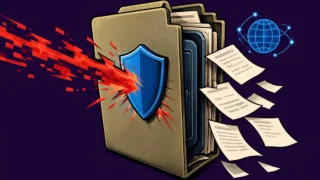
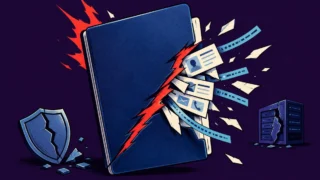
Binance founder and former CEO Changpeng Zhao urged users to change all their stored passwords on November 26, 2026, following the 1Password security breach—despite the password manager’s assurance that attackers did not access customer vaults, passwords or encryption keys.
Summary
Key takeaways
- An employee’s compromised GitHub account enabled the theft of customer records.
- 1Password says vault contents, apps and extensions remain unaffected.
- Verification codes now contain ten letters and numbers rather than six digits.
- Zhao’s password-change advice differs from 1Password’s guidance.
In a post on X, Zhao recommended replacing every stored password. 1Password, meanwhile, said its investigation found no evidence of account takeovers and maintained that customers do not need to change their passwords.
How the 1Password security breach unfolded
An attacker compromised an employee’s corporate GitHub account, then used that access to deploy malicious code in 1Password’s backend systems. The company’s November 25 disclosure said it began investigating on November 19 after detecting unauthorized access.
The intrusion reached private source-code repositories and infrastructure used to build and deploy software. Although the source code contained no customer secrets, the development environment held credentials needed to operate 1Password’s services. Malicious software deployed through the compromised access allowed the attacker to extract customer records.
1Password disabled the employee’s account, revoked permissions the attacker had created and replaced potentially exposed internal credentials. It also brought in independent cybersecurity specialists to evaluate its containment and remediation work.
What was stolen—and what remained protected
The stolen records included names, login email addresses, account identifiers and timestamps recording registration and the most recent login. The attacker also obtained public cryptographic keys and parameters used by the Secure Remote Password authentication protocol.
1Password said customer vaults were never available to the attacker. Stored passwords and encryption keys remained protected, and its apps and browser extensions were unaffected. The company also said it cannot access customers’ account passwords or Secret Keys.
Other stolen information included tokens contained in emails for account recovery, invitations and automated business-account provisioning. Those tokens alone cannot unlock an account: completing the process requires single sign-on authentication or a verification code sent to the customer’s registered email address.
1Password said it individually contacted the relatively small group whose invitation or recovery tokens were affected. To guard against code-guessing attempts, it replaced six-digit numeric verification codes with ten-character alphanumeric codes.
Phishing warnings and conflicting user advice
1Password warned customers about phishing attempts involving the exposed information and advised them to ignore unsolicited recovery requests. It said users should enter passwords and Secret Keys only in its official app or website.
Zhao’s recommendation went further than that guidance. Responding to a post describing the attack, he urged users to replace all their passwords even though 1Password said vault contents had not been compromised.
The company’s internal investigation found no evidence that attackers had taken over customer accounts.
Earlier breaches linked to cryptocurrency theft
Previous password-manager breaches have been linked to cryptocurrency losses, including the 2022 LastPass incidents. In December 2022, LastPass confirmed that stolen backups contained encrypted passwords and secure notes, along with unencrypted website addresses.
Blockchain investigator ZachXBT linked the LastPass breach to roughly $4.4 million in losses suffered by more than 25 victims within a single day, according to an October 2023 report.
Findings disclosed in March 2025 linked the January 2024 theft of 283 million XRP from Ripple co-founder Chris Larsen to cryptocurrency private keys stored in LastPass. The assets were worth roughly $150 million when stolen.
In February 2026, fraudulent letters targeting Ledger and Trezor users directed recipients to websites requesting wallet recovery phrases for supposed mandatory security checks. Both hardware-wallet manufacturers had previously experienced incidents exposing customer contact information.
Article produced with the assistance of artificial intelligence and reviewed by the editorial team.