Two US tech giants are deepening their space ambitions as a major amazon apple satellite move puts fresh pressure on existing players in low Earth orbit connectivity.
Summary
Amazon buys Globalstar to boost Leo satellite strategy
Amazon has agreed to buy Globalstar for $11.57 billion, in a transaction the company values at more than $11 billion, acquiring its low-Earth orbit satellite network, spectrum licenses, operations, and assets. However, Amazon plans to combine these resources with its own upcoming Leo internet satellite constellation to accelerate global coverage.
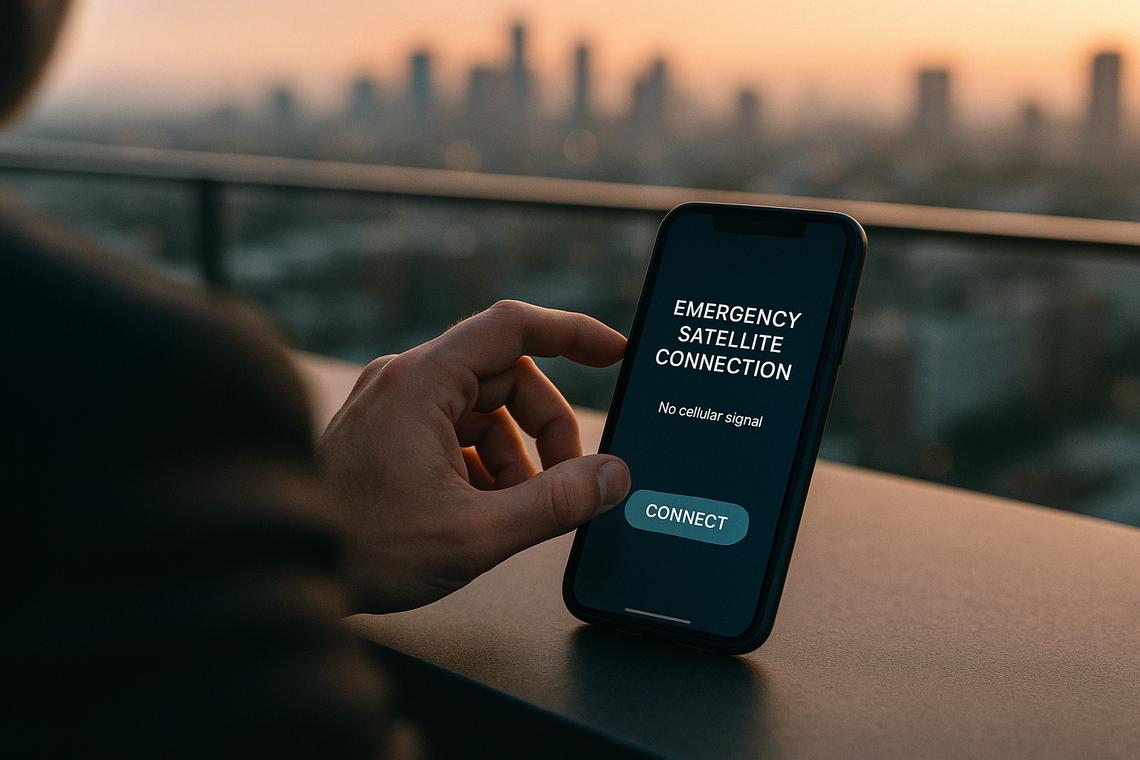
Apple currently owns 20 percent of Globalstar, and will retain a central role in the ecosystem after the acquisition. Moreover, as part of the deal, Amazon will continue to support satellite services like Emergency SOS for iPhones and Apple Watches, and develop future offerings that connect those devices to its Leo network.
The transaction is scheduled to close in 2027, pending regulatory approvals in relevant jurisdictions. That said, the agreement already signals a strategic realignment in the emerging satellite-to-device market, where big tech, telecom operators, and space companies compete for dominance.
How Globalstar differs from Starlink’s smartphone strategy
Today, Globalstar provides direct-to-device services such as Emergency SOS connectivity for the iPhone and Apple Watch, enabling users to reach emergency services even without terrestrial networks. However, that model differs from Starlink‘s Direct-to-Cell (also known as Starlink Mobile), which integrates satellite connectivity with mobile carriers to deliver messaging and other services.
Starlink has built a web of carrier relationships and is partnered with T-Mobile in the US, while additional mobile operators extend the service globally. Moreover, Amazon’s announcement suggests it wants to blend Globalstar’s direct device approach with carrier-based coverage, aiming to offer robust connectivity for both standalone devices and mobile subscribers.
In its statement, Amazon said it intends to work with mobile network operators “to deliver on that vision and extend reliable, high-speed connectivity to customers, no matter where they are in the world.” That said, details on specific operator partnerships or commercial timelines remain limited.
Satellite constellations and the scale of competition
By the end of 2025, SpaceX said it had more than 650 cellular-equipped satellites in orbit, out of about 10,000 Starlink satellites. Those units underpin Starlink’s Direct-to-Cell plans and illustrate the scale at which Elon Musk’s space company is operating.
In contrast, Globalstar’s low Earth orbit network currently has about 25 satellites in operation, highlighting a stark difference in existing capacity. However, the acquisition by Amazon aims to close part of that gap by combining Globalstar’s infrastructure and spectrum with Amazon’s own aggressive launch roadmap.
Last month, Amazon said it was on track to double its annual launch rate for Leo, which already has over 200 satellites in orbit. Moreover, the company plans to expand this to a network of more than 3,200 satellites, building a dense constellation designed for global broadband and device-level connectivity.
Deepening the Apple-Amazon collaboration on satellite services
In addition to the Globalstar acquisition agreement, Amazon and Apple have signed a separate deal to provide satellite connectivity for current and future iPhone and Apple Watch features. However, Globalstar will remain a key bridge, as it already powers satellite services on iPhone 14 or later and Apple Watch Ultra 3.
These devices let users text emergency services, message friends and family, request roadside assistance, and share their location via Globalstar’s low Earth orbit network. Moreover, the new arrangement ensures Amazon will continue to support iPhone and Apple Watch models that rely on Globalstar’s existing and planned satellite constellations, which are being manufactured by MDA Space.
Under the new framework, the amazon apple satellite collaboration will involve Amazon working closely with Apple on future satellite services that run over Amazon Leo’s expanded satellite network. That said, the companies have not yet disclosed commercial terms or how potential new services might be priced for consumers or mobile partners.
What the deal means for the satellite-to-phone market
The combination of Amazon’s Leo constellation plans, Globalstar’s spectrum and operations, and Apple’s established SOS features creates a powerful counterweight to Starlink Direct-to-Cell initiatives. However, competitive outcomes will depend on execution, regulatory approvals, and the pace of satellite deployments.
Moreover, with T-Mobile and Starlink already advancing a joint cellular-satellite service, mobile operators worldwide may seek similar alliances either with Amazon, SpaceX, or other providers. The latest move underscores how satellite connectivity is becoming a strategic battleground for big tech, telecoms, and space companies alike.
In summary, the Globalstar acquisition and extended Apple partnership position Amazon as a decisive new force in satellite connectivity, setting up a multi-year race against SpaceX and carrier-backed solutions to connect smartphones, wearables, and remote devices everywhere on Earth.