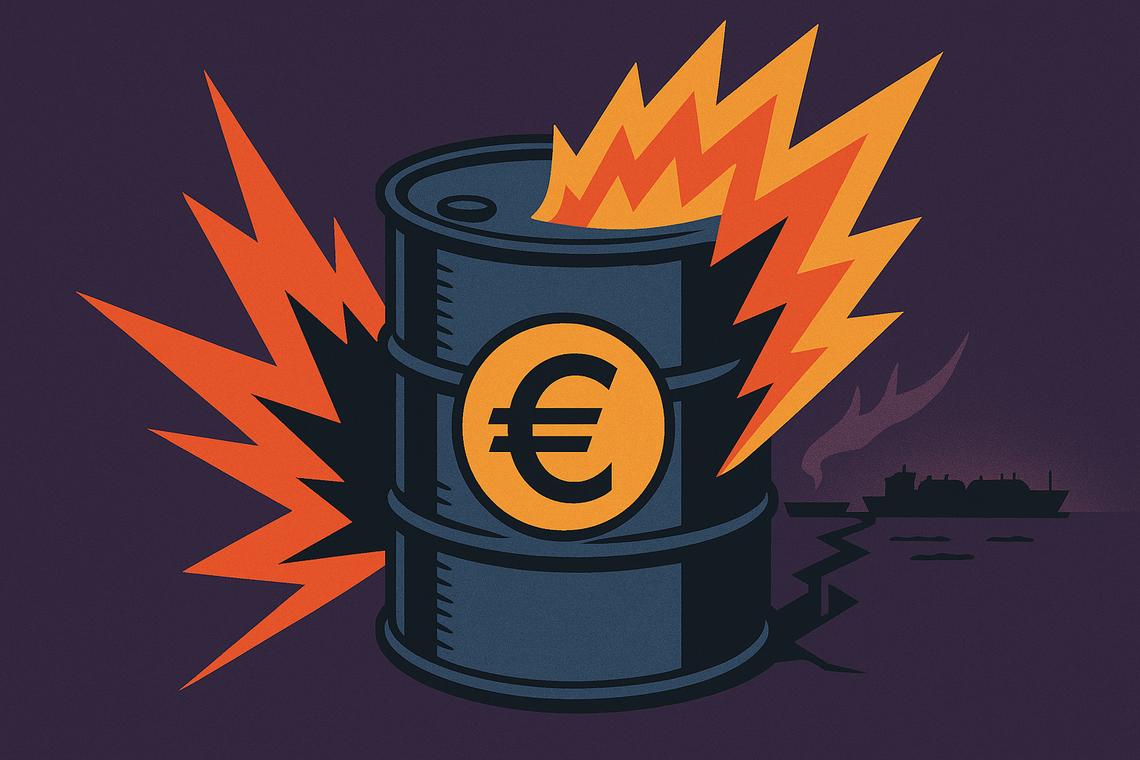
Europe faces a sharper energy crisis as the conflict involving Iran adds €500 million per day in pressure and disrupts fuel flows.
Summary
Strait of Hormuz disruption raises the stakes
The escalation has effectively halted tanker traffic through the Strait of Hormuz, a critical chokepoint for oil and LNG trade.
Moreover, Europe now has limited visibility into fuel reserves, which makes the situation harder to manage.
Belgium, the Netherlands, and Spain are coordinating a response. However, uncertainty remains across the continent, especially after Europe moved away from Russian pipeline gas and leaned more heavily on LNG imports.
Markets see room for policy easing
For traders, the current pricing of 100% YES for a 50+ basis point rate cut at the European Central Bank‘s April 2026 meeting signals expectations that policymakers may react to the economic strain.
The setup also reflects concern over energy costs Europe and wider growth risks.
In that context, the europe energy crisis is becoming a macro story as much as an energy story. The market sees high potential impact because rising costs could shape both monetary policy and broader financial conditions.
What investors are watching next
That said, attention now turns to comments from Christine Lagarde and Philip Lane for any hint of an ECB rate cut. Investors are also tracking the durability of any ceasefire in the Iran conflict.
Updates on European energy reserves and policy measures will matter as well. Moreover, any change in LNG supply risk could quickly alter market expectations and add another layer of pressure to energy crisis Europe sentiment.
For now, the combination of higher costs, shipping disruption, and policy uncertainty keeps Europe’s energy outlook fragile.