Geopolitical tensions in the Middle East have brought the price of oil back to the center of the markets, with strong fluctuations between the end of April and the beginning of May 2026 and immediate repercussions on expectations for fuels, energy inflation and Italian consumers.
Summary
Oil price rising amid geopolitical risk and supply concerns
The crude oil rally intensified in the final part of April 2026, while negotiations between the United States and Iran remained stalled and fears grew of disruptions in the Strait of Hormuz. In this context, the market reacted mainly to the risk of a tightening on supply.
According to updates, the oil price was also supported by the decline in global inventories and by the possibility that any export stoppages could last longer than expected. Consequently, the geopolitical component prevailed over normal market fundamentals.
Brent and WTI: key levels between 27 April and 2 May 2026
Volatility was evident in several sessions. In one update, Brent rose to 110.95 dollars per barrel, while WTI stood at 99.72 dollars, after briefly falling below the 100-dollar mark in another reading and then recovering.
Furthermore, in the report of 29 April 2026 WTI was indicated at 105 dollars and Brent at 117.5 dollars. Sources place the most intense movements between 27 and 29 April, with the period 1–2 May 2026 observed as a crucial phase to understand whether the oil trend would maintain the same upward pressure.
Why oil today remains sensitive to the Strait of Hormuz
The Strait of Hormuz has returned to the center of attention because it represents a decisive hub for energy flows. Therefore, any increase in tensions over Iran or the surrounding area tends to be quickly reflected in the oil price.
The most relevant sources link rising oil to fears of supply risk in the Middle East and to the prospect of compromised exports. This helps explain why Brent and WTI have fluctuated in the 100–110 dollar area, with even higher peaks for Brent.
Fuel prices in Italy between increases and the end of the excise tax cut
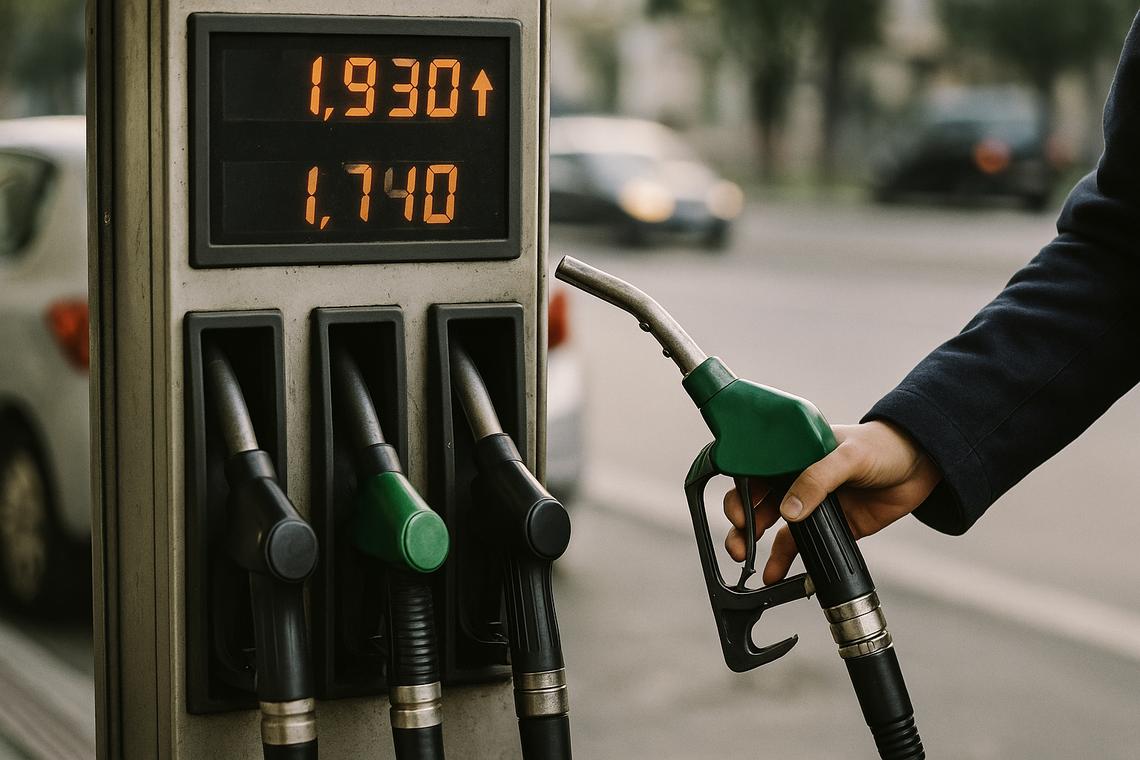
The increase in the Brent price and the WTI price has also begun to be transmitted to fuels. In Italy, gasoline pump prices were already rising, while diesel showed mixed or declining trends depending on the day and the operator considered.
However, the domestic picture became even more delicate with the expiry of the government excise tax cut scheduled for 1 May 2026. Consumer associations warned that the end of this measure could significantly worsen costs for families and motorists.
From the United States to Europe: the effect of crude oil on energy consumption
The repercussions did not concern only Italy. In the United States, gasoline was indicated at 4.23 dollars per gallon, a level described as a record, confirming how the surge in crude oil was already influencing the final cost of fuels.
Overall, the oil price shows how a geopolitical shock can quickly extend from the trend of energy futures to economic policy choices. If the risk to supply remains high, Europe too will have to continue to deal with greater volatility and pressure on consumer prices.