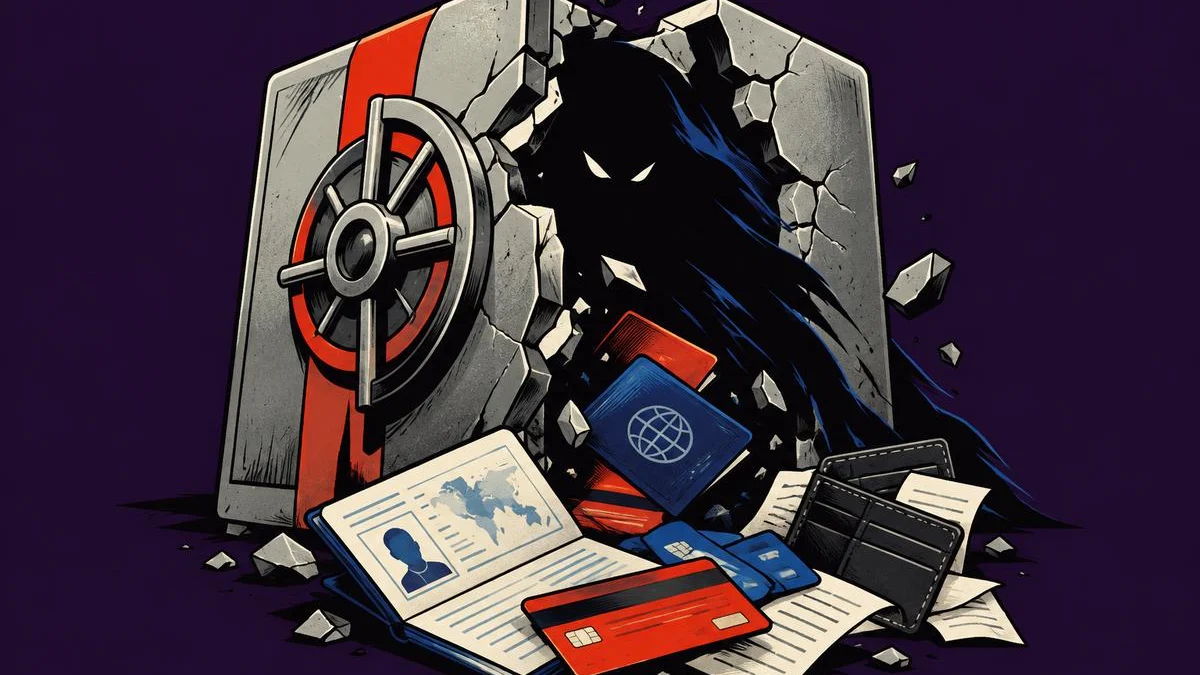
The Bithumb security breach exposed more customer information than initially identified, the South Korean cryptocurrency exchange said on November 25, 2026. Its investigation into unauthorized access between October 12 and October 27, 2026, uncovered additional affected individuals and stolen records, including passport numbers, banking details and crypto wallet addresses. No cryptocurrency was stolen.
Summary
Key takeaways
- Exposed records differed between individuals.
- Customers can check their exposure through an inquiry service.
Bithumb security breach exposed identity and financial records
According to Bithumb, the compromised data encompassed passport numbers, bank account details, transaction records and cryptocurrency wallet addresses, while additional records held names, phone numbers, home addresses, copies of identification documents and South Korean resident registration numbers.
Also exposed in the disclosure were email addresses, dates of birth, membership numbers, driver’s license information and employment-related data such as job titles, employer names, workplace locations and business phone numbers.
Those affected included customers, employees of partner companies, and both current and former Bithumb staff, with the exchange noting that the specific data exposed differed from person to person.
First revealed on October 29, the breach centered on DaouOffice, an internal collaboration platform built by Daou Technology. According to Bithumb, this system functions independently of its trading infrastructure and of systems holding customer asset data. Investigators found no signs that trading services or the customer database had been directly accessed without authorization.
No cryptocurrency stolen, but phishing warning follows
No cryptocurrency was stolen in the Bithumb security breach, but the exposed records can support personalized phishing attacks. Identity documents, transaction details and wallet addresses can help criminals select targets and pose as exchange employees to obtain passwords or persuade customers to transfer funds.
Bithumb warned about fake websites, emails and text messages impersonating the exchange. It said it never requests passwords or authentication codes by telephone, text or messaging applications.
Chainalysis reported a 1,400% increase in impersonation scams in 2025. A separate November breach at Gnosis Pay exposed home addresses and wallet details, leaving customers vulnerable to targeted scams despite no reported theft of funds.
Exposure checks, monitoring and compensation
Bithumb is offering compensation for confirmed losses stemming from the breach and a personal information inquiry service for checking affected records. Customers can also contact its support center; the exchange said individual email and text notifications would detail exposed information and identity-theft prevention guidance.
The exchange introduced round-the-clock checks for suspicious withdrawals and abnormal logins, plus additional identity verification for certain important transactions.
After detecting suspicious activity, Bithumb suspended DaouOffice use, blocked attacker IP addresses and formed an incident response team. It said it addressed the vulnerability with the software developer and was inspecting publicly accessible services.
Read also: After the 1Password security breach, Binance founder Zhao urges password changes
Article produced with the assistance of artificial intelligence and reviewed by the editorial team.